
Sustainable Energy Solution: The Crucial Role of Energy Storage
The world is is pushing for a sustainable future, the importance of finding efficient and cost-effective ways to store energy cannot be overstated.
The primary challenge we face is that renewable energy sources, such as wind and solar power, are intermittent by nature. They don’t always produce energy when we need it the most, creating a pressing need for effective and sustainable storage solutions. By improving our ability to store energy, we can increase the amount of renewable energy we produce and ensure a reliable supply even during periods of low production or high demand.
The Challenge of Energy Storage
Renewable energy sources are clean and abundant but unpredictable. Solar panels generate electricity only when the sun is shining, and wind turbines produce power only when the wind is blowing.
This variability means that sometimes we have more energy than we can use, while at other times, there isn’t enough. To create a truly sustainable energy solution, we must develop ways to store excess energy when production exceeds demand and release it when production falls short.
Lithium Batteries: An Imperfect Solution
Lithium-ion batteries are one of the most common solutions for storing electricity. They are becoming widely used as prices for lithium batteries have reduced. This was thought to be the answer to increase to our ability to rely more on renewable energy whether the sun was shining or the wind was blowing or not. However, they come with several drawbacks:
- High Cost: While the cost had come down considerably, Lithium batteries are still expensive require also substantial maintenance, making them a costly option for large-scale energy storage.
- Efficiency Issues: While lithium batteries are relatively efficient, the charging time slows as they reach capacity. They also require significant cooling, especially if demand on the batteries are high. Further reducing efficiency.
- Limited Lifespan: These batteries typically need replacing after about 10,000 cycles, adding to the overall cost and environmental impact.
- Resource Intensive: The extraction and processing of lithium have significant environmental and social impacts.
- Environmental Impact: Disposing of the batteries is also a big challenge due to the negative impact on the environment.
Thermal Energy Storage: A Promising Alternative
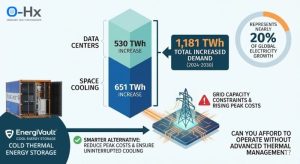
Until recently, thermal energy storage had been largely overlooked as the world focused on storing electricity. Efforts to efficiently store thermal energy have been ongoing for years, with particular challenges in storing cooling energy. This landscape changed dramatically with the development of EnergyVault, which has revolutionised the storage of cooling energy and brought new efficiency and practicality to the field.
Thermal energy storage involves storing energy in the form of heat or cold, which can then be used when needed. This method has several advantages:
- Cost-Effective: Thermal energy storage systems are generally far cheaper to produce than lithium batteries. They use readily available materials like water, sand, and other inert phase change materials.
- Environmental Impact: These systems have a lower environmental impact, both in terms of manufacturing, production and disposal.
- Longevity: Thermal storage systems like the EnergiVault typically have a much longer lifespan and require far less maintenance than lithium batteries.
- Efficiency: By storing thermal energy directly, these systems avoid the inefficiencies associated with converting and storing electricity. The energy can be used more quickly and efficiently for heating and cooling requirements.
- Flexibility: Thermal energy storage batteries can be charged over a long period, reducing strain on the charging units. This allows the use of off-peak or surplus renewable energy, making the system more economical.
The Future of Sustainable Energy
To move towards a more sustainable energy future, we must invest in a variety of storage solutions. While lithium batteries will continue to play an important role, integrating thermal energy storage systems can significantly enhance our ability to store and use renewable energy. This hybrid approach can ensure a more reliable and cost-effective energy supply, paving the way for a greener and more sustainable world.